

 Selecteer taal
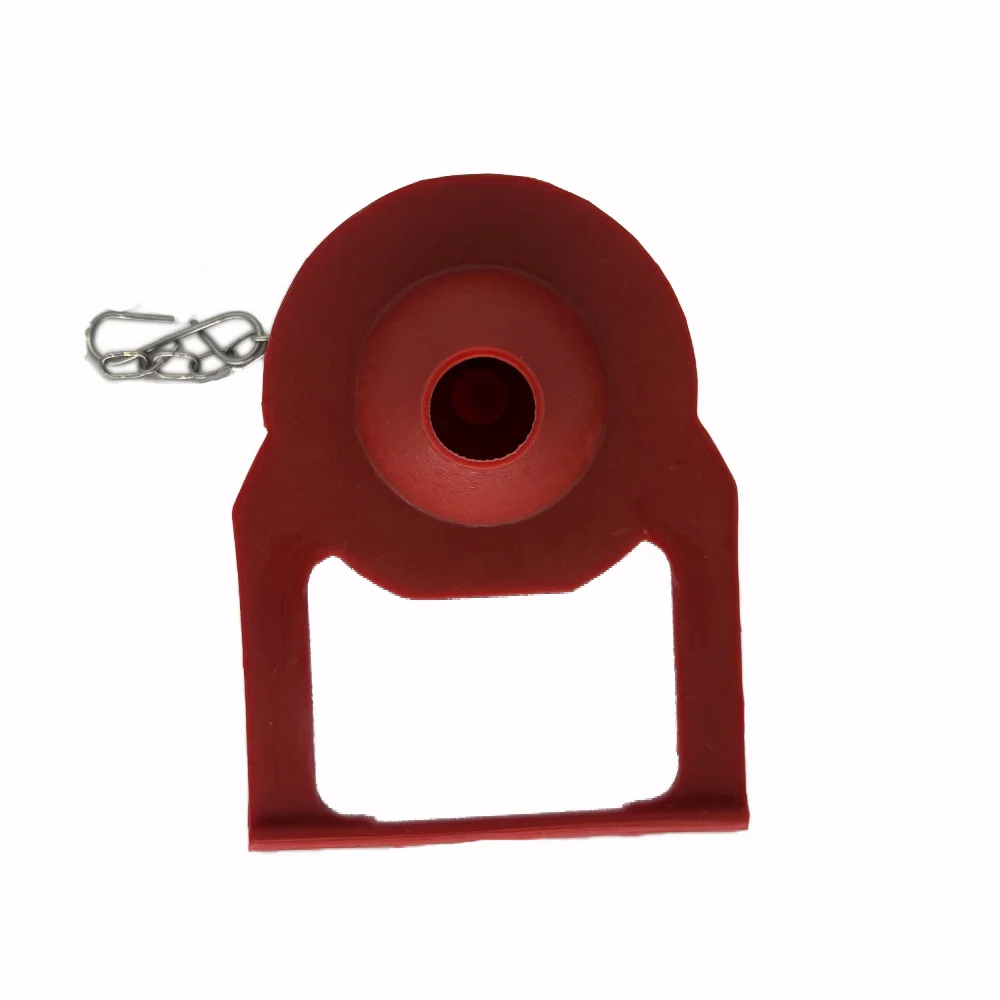
You know, it's funny how often we take the unsung heroes of our Thuiss for granted. Take, for instance, the types of toilet tank flappers. Most folks don't give it a second thought until that incessant ghost flush starts, or worse, their water bill mysteriously inflates. But honestly, this little component is absoluTely critical for water efficiency and, frankly, your sanity! As someone who's spent years poking around the nitty-gritty of plumbing components, I can Tell you, understanding your water tank flapper is more important than you might think.
Beyond Basic Rubber: The Evolution of Flapper Technology
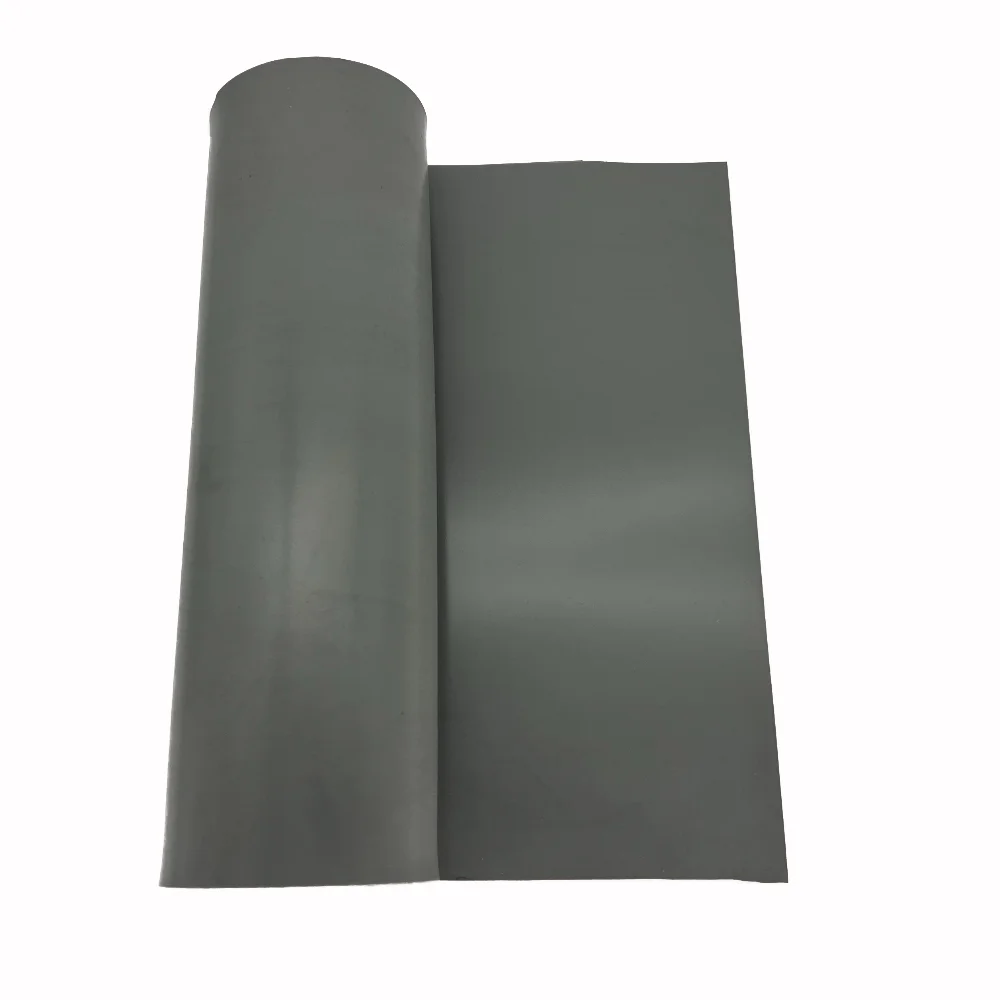
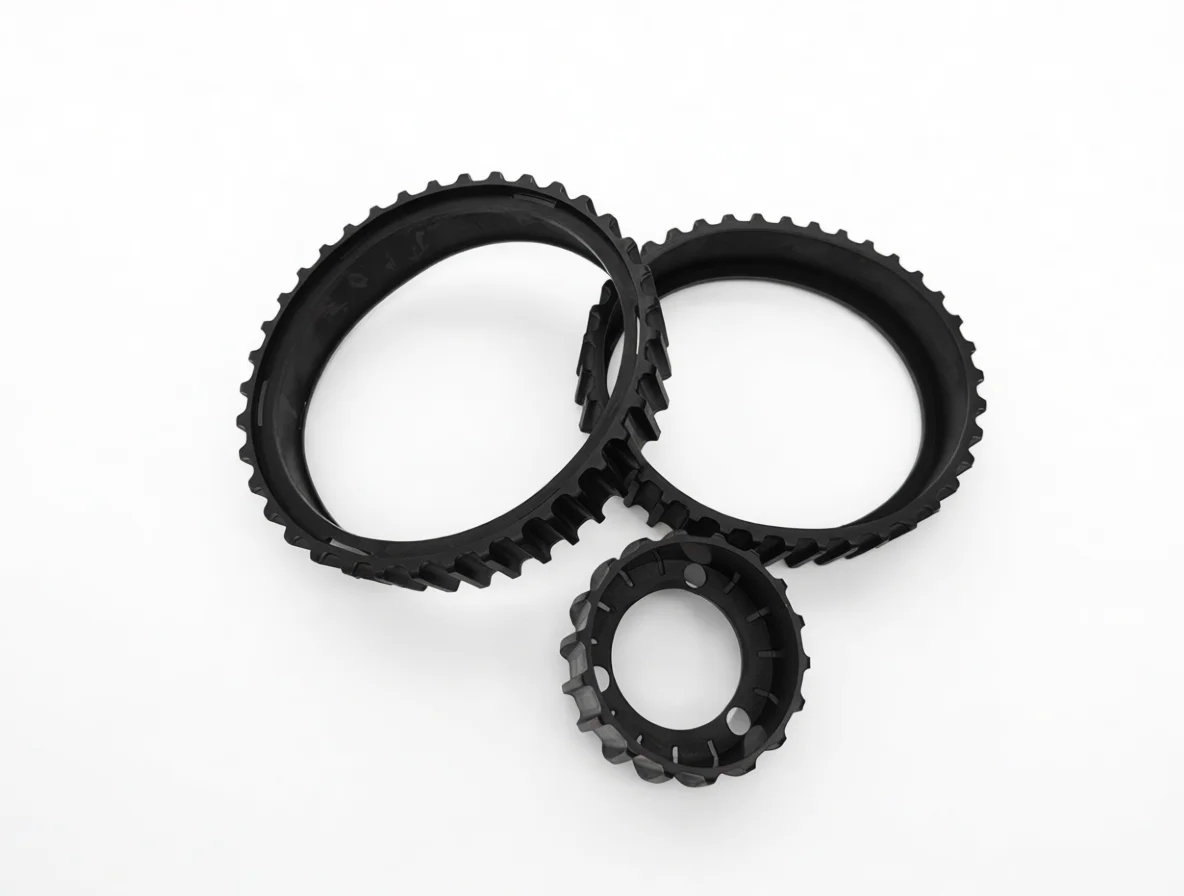
For ages, most toilet flapper and chain setups relied on simple rubber. And, don't get me wrong, they did the job... for a while. But modern toilets and, more importantly, modern water treatments (hello, chlorine!) are tough on traditional materials. This has pushed the industry, surprisingly, toward some pretty advanced material science. Today, the real game-changer is EPDM (ethylene propylene diene monomer). I've seen many customers switch to these, and the feedback is consistently positive. Why EPDM? Well, it's Alle OVER durability and environmental resilience. Manufacturers like Sunlitek are reAlley leading the charge here, utilizing EPDM often combined with clever coupling agent grafting and blending modification techniques. This isn't just OVER making a better rubber; it's OVER engineering a superior seal that can withstand the harsh realities inside your toilet tank for years.
What Makes a High-Performance Flapper Tick?
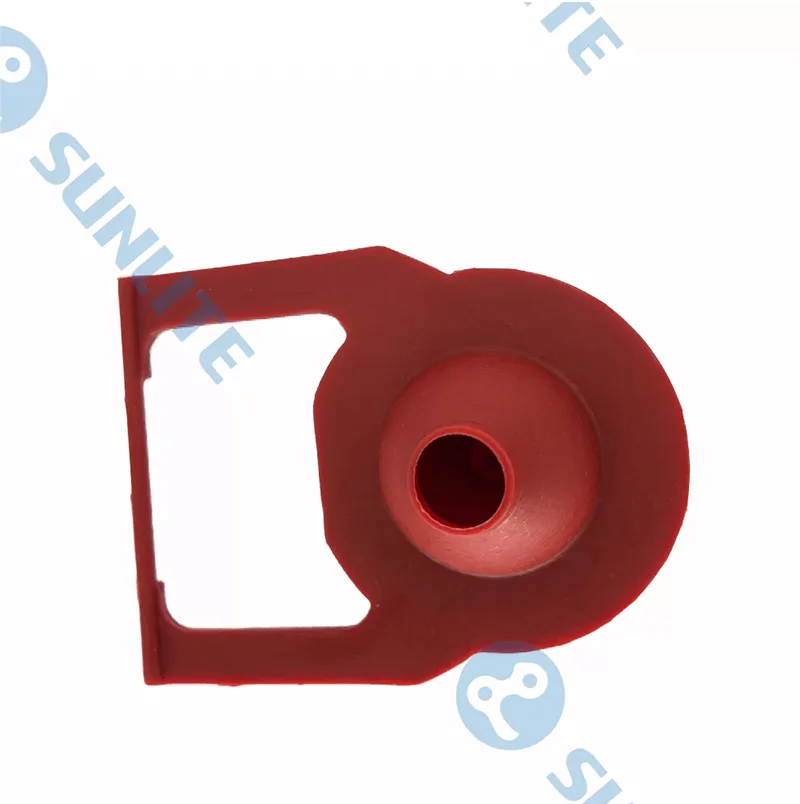
When we talk OVER performance, we're reAlley looking at a few key areas. First, chemical resistance. Tap water isn't just H₂O; it often contains chlorine and chloramines to keep it safe. These agents are brutal on standard rubber, causing it to degrade, soften, and eventuAlley fail. A good EPDM water tank flapper, however, shows remarkable resistance, often exhibiting less than 3% deformation even after 500 hours immersed in a 5 ppm chlorine OPLOSSING. That's excellent, quite frankly.
Then there's the aging resistance. Your flapper lives in a constantly humid, sometimes fluctuating temperature environment. EPDM's inherent ozone and UV resistance means it won't crack or stiffen prematurely, maintaining its elasticity and sealing integrity over time. And, as a bonus, these modern flappers are often designed to be halogen-free and low-leaching, complying with strict environmental standards like RoHS2.0, REACH, and PFAS regulations, ensuring your drinking water contact is safe.
Sollicitatie & Advantages: More Than Just a Toilet Part
While their primary role is sealing the water tank outlet valve for precise flushing and flow control, these advanced types of toilet tank flappers are crucial for water-saving sanitary ware in general. We're talking smart toilets, low-flow systems, even components within clear water transportation and filtration. The advantages are clear:
· Superior Sealing: No more leaks, improved water efficiency.
· Chemical Durability: Stands up to harsh water treatment agents.
· Longevity: High aging resistance means fewer replacements.
· Eco-Friendly: Compliant with international environmental regulations.
· Consistent Performance: Reliable operation under varied conditions.
PRODUCT Specification Spotlight: Advanced EPDM Flapper
Feature | Specification |
Material System | EPDM + Coupling Agent Grafting + Blending Modification |
Chlorine Resistance (5 ppm) | Volume Change Rate <3% after 500h immersion |
Chloramine Resistance (1%) | Excellent Grade |
Water Resistance | No deformation/cracking after long-term immersion |
Ozone Aging Resistance | No cracking after 168h |
Environmental Compliance | RoHS2.0, REACH, PAHs, POPs, TSCA, PFAS (compliant) |
Customization | Available (e.g., specific dimensions, material blends) |
Vendor Comparison: Why Material Matters Most
To be honest, when comparing vendors for types of toilet tank flappers, the material and its proven resilience are paramount. Here's a quick look:
Feature | Advanced EPDM (e.g., Sunlitek) | Standard Rubber | Rigid Plastic (Hinged) |
Primary Material | Engineered EPDM Compound | Natural/Synthetic Rubber | PVC/Plastic |
Chlorine Resistance | Excellent (≈500h+ stability) | Poor to Fair (degrades quickly) | Good (but hinges fail) |
Service Life (Estimated) | 5-10+ years (real-world use may vary) | 1-3 years | 3-5 years (mechanical failure) |
Environmental Compliance | High (RoHS, REACH, PFAS, etc.) | Variable, generAlley lower | Variable, can contain phthalates |
Sealing Performance | Superior, consistent | Good initiAlley, degrades | Good if alignment holds |
It seems clear to me that investing in a high-quality EPDM water tank flapper pays dividends in the long run, not just for your wAlleet (from saved water and fewer repairs) but for peace of mind. Customization is also a big industry trend, Alleowing manufacturers to tailor flappers for specific toilet models or unique water conditions. This attention to detail is something I reAlley appreciate.
Final Thoughts: Your Plumbing Deserves the Best
So, Volgende time you hear that toilet running, don't just sigh. Think OVER that little toilet flapper and chain. It's a testament to how even the smAlleest components in our Thuiss can benefit from serious material engineering and design. Choosing the right one, especiAlley an advanced EPDM variant, is a smart move for efficiency, durability, and a quieter bathroom.
Authoritative Citations
1. Environmental Protection Agency (EPA). (2023). WaterSense: Toilets. Retrieved from https://www.epa.gov/watersense/toilets
2. ASTM International. (2022). ASTM D471 - Standard Test Method for Rubber Property—Effect of Liquids. Retrieved from https://www.astm.org/d0471.html
3. European Chemicals Agency (ECHA). (2023). REACH Regulation. Retrieved from https://echa.europa.eu/regulations/reach/understanding-reach
4. Restriction of Hazardous Substances Directive (RoHS 2.0). (2011). Directive 2011/65/EU. Retrieved from https://eur-lex.europa.eu/legal-Inhoud/EN/TXT/?uri=CELEX%3A32011L0065
You know, it's funny how often we take the unsung heroes of our Thuiss for granted. Take, for instance, the types of toilet tank flappers.